
Small Living Room Furniture: What Fits and What to Skip
Introduction
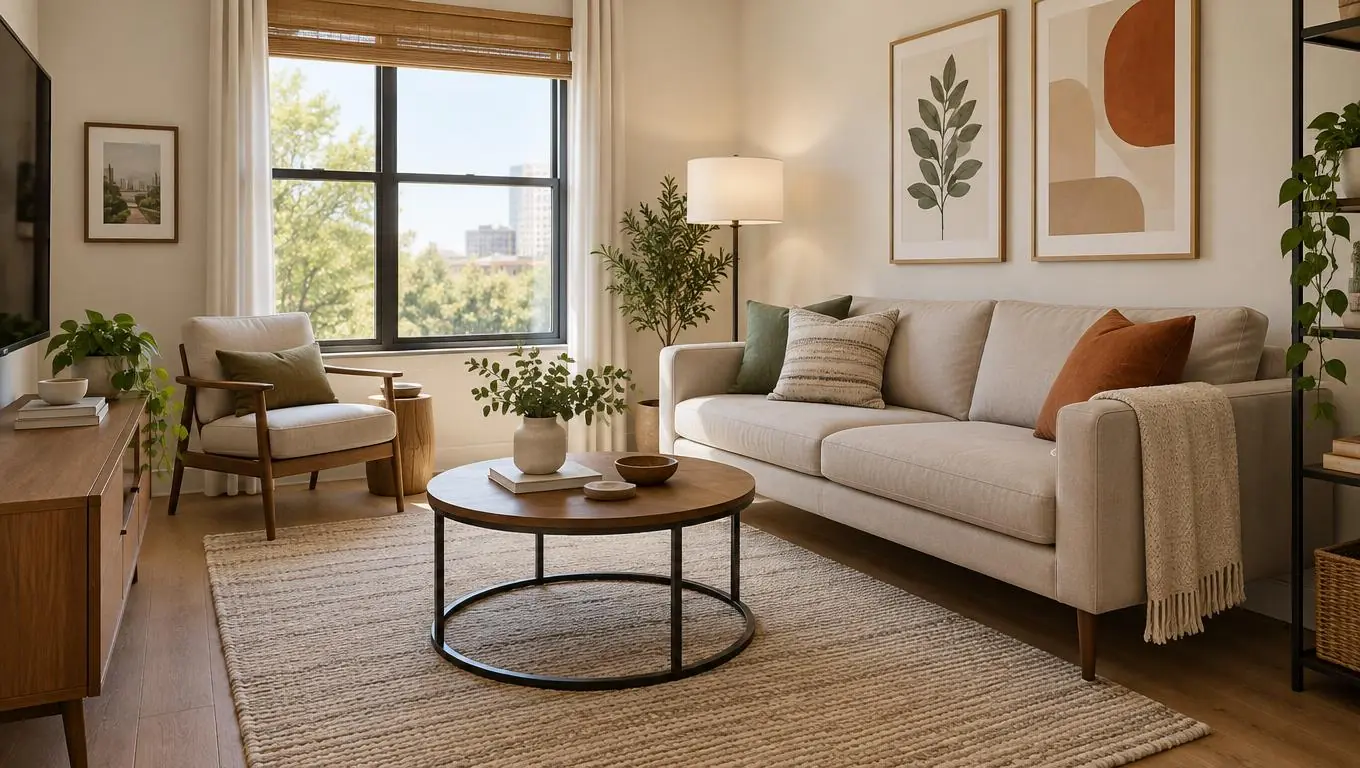
For a small living room, the furniture that works best is scaled down, raised on visible legs, and chosen to serve more than one purpose. Skip the oversized sectional, the chunky recliner, and the bulky entertainment console. Instead, lean toward a compact sofa (32–36 inches deep), a slim-profile armchair, and a lightweight coffee table you can move. The goal is simple: pieces that fit the room's real dimensions and leave clear walking paths.
If you live in an apartment or a compact home, you already know the frustration. A sofa looks perfect online, then swallows half the floor when it arrives. This guide gives you concrete scale rules, a what-fits/what-to-skip checklist, and a preview-first method so you can see small living room furniture in your actual space before you spend a dollar. We'll cover sofa depth, leggy furniture, clearance distances, and the smartest way to test a layout digitally.
By the end, you'll know how to furnish a tight room so it feels open and livable instead of crowded, and how to avoid the costly return cycle that comes from guessing.
Key Takeaways
- Scale down the sofa: aim for 32–36 inch depth and a two-seat or compact three-seat frame rather than a deep sectional.
- Choose leggy furniture: pieces raised on visible legs show more floor, which makes a small room read as larger.
- Protect walkways: keep 30–36 inches for main paths and 14–18 inches between the sofa and coffee table.
- Skip the bulk: oversized recliners, closed storage walls, and heavy dark pieces eat visual space fast.
- Preview before buying: seeing furniture in your own room photo removes the guesswork and the return trips.
What Counts as Small Living Room Furniture?
Small living room furniture is any piece sized and styled to suit a compact footprint, typically a room under about 200 square feet, or any space where a standard-depth sofa would block a walkway. It's less about a specific product label and more about proportions and visual weight.
Three traits define furniture that works in tight spaces:
Compact dimensions. A full-size sofa often runs 38–40 inches deep. A small-space sofa stays closer to 32–36 inches, which can free up a foot of floor in a narrow room. Loveseats, apartment sofas, and settees all fit this category.
Visual lightness. Pieces with exposed legs, slim arms, and open frames let your eye travel under and around them. A skirted sofa that sits flush to the floor looks like a solid block. The same sofa on four tapered legs feels airy.
Flexibility. Nesting tables, ottomans with storage, and armless chairs can be rearranged or tucked away. In a small room, furniture that earns its keep two ways beats a single-purpose piece every time.
Here's a quick reference for common pieces and the compact dimensions worth targeting:
| Piece | Standard size | Small-space target |
|---|---|---|
| Sofa depth | 38–40 in | 32–36 in |
| Sofa width | 84–96 in | 60–72 in (loveseat/apartment) |
| Coffee table | 48 in long | 30–36 in, or round 30 in |
| Accent chair | 32 in wide | 26–28 in, armless or slim-arm |
| Media console | 60–72 in | 42–48 in, legs raised |
Treat these as starting points, not strict rules. The right size always depends on your room's actual measurements.
Why Getting the Scale Right Matters
In a small living room, every inch is visible, so a single oversized piece throws off the whole space. Choosing furniture that fits isn't about settling for less. It makes the room feel calm, open, and genuinely usable.
The practical payoff is movement. When your sofa and tables are correctly scaled, you keep clear walking paths and the room breathes. Cram in a deep sectional and you end up squeezing past furniture, which makes even a nice room feel stressful to live in.
There's also a real financial stake. Furniture is one of the harder categories to return, since large pieces mean restocking fees, freight costs, and the hassle of repackaging. Many shoppers find that returning a sofa is expensive and slow enough that they simply keep a piece that doesn't work. Getting scale right the first time avoids that trap entirely.
Finally, scale affects how finished a room looks. A compact room with well-proportioned, leggy furniture reads as intentional and inviting. The same room stuffed with bulky pieces looks cluttered no matter how nice each item is on its own. Proportion is what separates a cozy small space from a cramped one.
How to Choose Furniture for a Small Living Room
Start with measurements, not shopping. Grab a tape measure and record the room's length, width, and the position of every door, window, radiator, and outlet. These fixed points decide where furniture can actually go.
Step 1: Map your clearances first. Before picking a single piece, block out the space you must keep open. Use these as working rules:
| Zone | Clearance to keep |
|---|---|
| Main walkway | 30–36 in |
| Secondary path | 24 in minimum |
| Sofa to coffee table | 14–18 in |
| Coffee table to TV | pick table that leaves legroom |
| Seat to seat (conversation) | up to 8 ft apart |
Step 2: Choose your anchor piece. The sofa is usually the biggest commitment, so size it to the longest unbroken wall minus a few inches on each side. A 72-inch apartment sofa on a 90-inch wall leaves breathing room. A 96-inch sofa jammed wall-to-wall looks forced.
Step 3: Favor leggy, open pieces. Raised furniture shows floor, and visible floor is the single easiest trick for making a small room feel bigger. A console on tall legs, a coffee table with a glass or open base, and a sofa with exposed feet all keep sightlines clear.
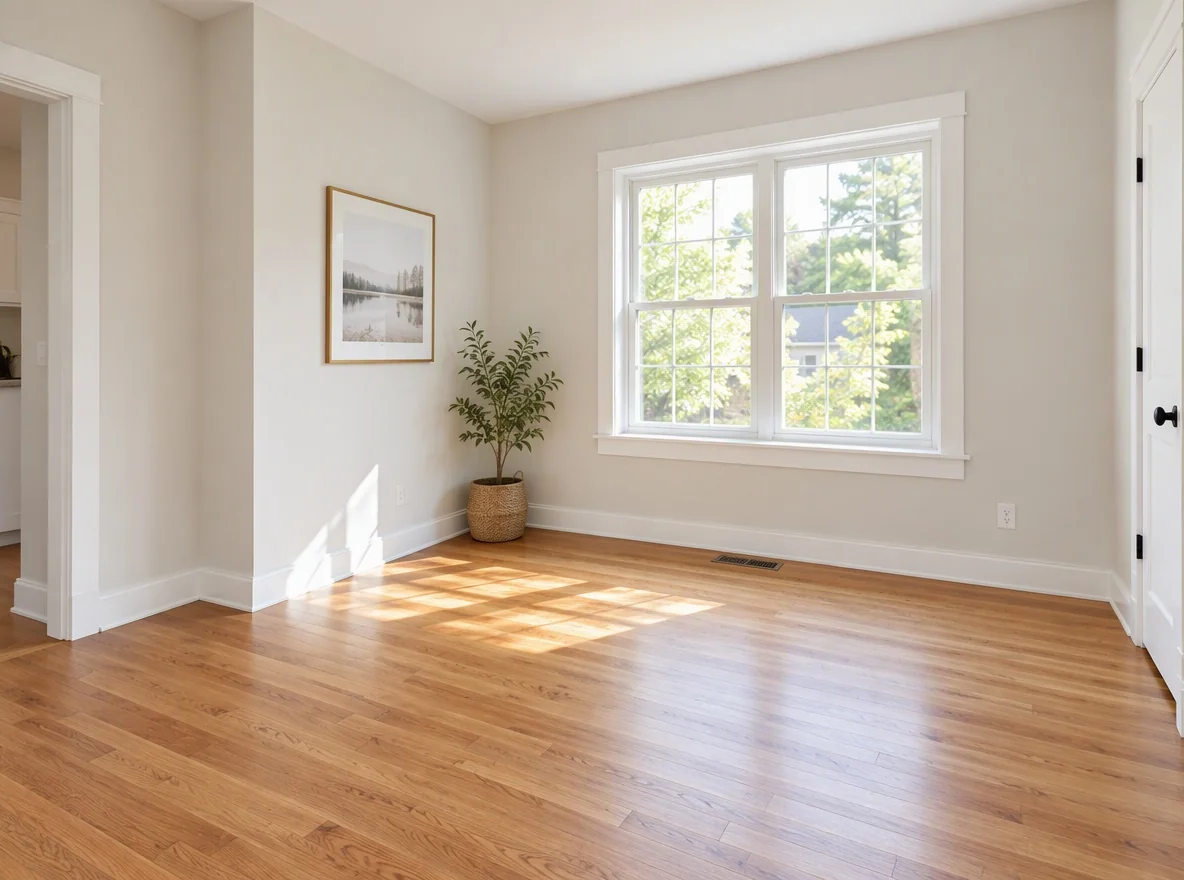
When you're ready to see how the pieces work together, a digital preview saves you. Rather than guessing, you can use an AI living room design tool to drop furniture into a photo of your actual space and check scale and flow before you order anything. It turns "I think this fits" into "I can see that it fits."
Step 4: Build in flexibility. Add one piece that does double duty, like a storage ottoman that serves as a footrest, extra seat, and coffee table, or nesting tables that spread out when guests arrive and tuck away otherwise. For a deeper walkthrough of arranging the pieces once you have them, our living room furniture layout guide covers the placement rules in detail.
Step 5: Preview, then buy. Confirm the arrangement visually before you commit. A small room has little margin for error, so seeing the finished look first is the difference between a room you love and a return receipt.
See Your Empty Room Fully Furnished in 30 Seconds
Upload one photo of your empty room and get a realistic furnished preview in the style you choose — before you buy a single piece of furniture.
Free to try • No design skills needed • Works with any room photo
Furnish My Room →Best Practices for Furnishing Compact Spaces
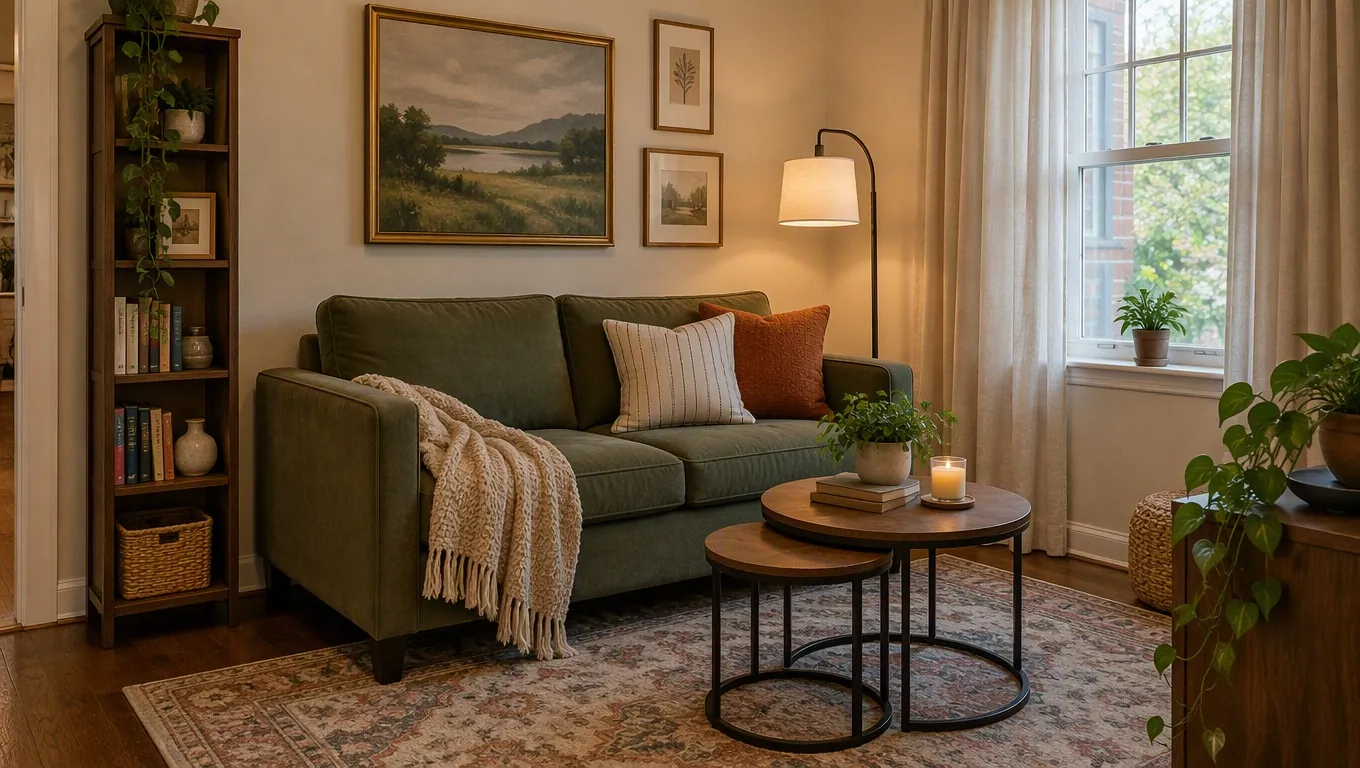
Once you know your dimensions and clearances, these habits keep a small living room feeling open and livable.
Lift everything off the floor. Leggy sofas, chairs, and consoles create continuous floor space that tricks the eye into reading the room as larger. If you already own a flush-to-floor piece, add a slim console or table on legs nearby to reintroduce that openness.
Keep a tight color story. In a small room, too many contrasting tones chop up the space. A cohesive palette, think soft neutrals with one or two accent colors in pillows and art, lets the eye glide across the room instead of stopping at every object.
Use vertical space. Floor area is scarce, so go up. A tall, narrow bookshelf stores more while taking a small footprint, and wall-mounted shelves or a floating console free the floor entirely.
Choose multi-functional pieces. Storage ottomans, nesting tables, and a slim sofa with a chaise that doubles as a guest bed all pull their weight in tight quarters. Every piece that solves two problems is one piece you don't have to squeeze in.
Let in light. Keep window treatments simple and furniture low enough that it doesn't block natural light. Bright rooms always feel more spacious. If you want to see how different arrangements change the mood, our guide on how to decorate an empty living room walks through building a scheme from scratch.
Float one piece if the room allows. Pushing everything against the walls can actually make a room feel smaller and awkward. Pulling the sofa a few inches off the wall, when space permits, often creates a more intentional, balanced look.
Common Mistakes to Avoid
A few predictable errors trip up almost everyone furnishing a compact living room. Here's what to watch for.
Buying the deepest sofa you can find. A 40-inch-deep sofa feels luxurious in a showroom and oppressive in a 12-foot room. Deep seats also push the coffee table and walkway further out, eating space you don't have.
Over-filling the room. More furniture does not equal a more complete room. A small space with three well-chosen pieces beats one crammed with six. Leave intentional gaps.
Ignoring walkways. It's easy to focus on how pieces look and forget how you'll move around them. If you have to turn sideways to pass the sofa, the layout failed before the furniture even arrived.
Choosing heavy, closed storage. A big dark cabinet or a solid storage wall adds visual weight that shrinks the room. Open shelving and leggy pieces hold almost as much while keeping sightlines clear.
Skipping the preview. The biggest mistake is ordering based on a hunch. In a small room there's no slack to absorb a sizing error, so guessing is the costliest move of all.
See Your Empty Room Fully Furnished in 30 Seconds
Upload one photo of your empty room and get a realistic furnished preview in the style you choose — before you buy a single piece of furniture.
Free to try • No design skills needed • Works with any room photo
Furnish My Room →Related guide: For a more focused next step, read Studio Apartment Furniture Layout: Zoning One Room That Does Everything and connect this advice to your wider room design plan.
Final Thoughts
Furnishing a compact space comes down to proportion: scale the sofa to 32–36 inches deep, choose leggy and multi-functional pieces, protect your walkways, and skip the bulk. Get those decisions right and a small living room feels open, cozy, and genuinely livable instead of crowded.
The surest way to avoid a sizing mistake is to see the arrangement before you buy. Take one clear daylight photo of your empty living room, preview small living room furniture in your actual space, and confirm the layout works. When each piece fits the room's real dimensions, you spend with confidence and skip the return trips. Try a furnished preview and let the step below handle the rest.
Frequently Asked Questions
What size sofa is best for a small living room?
Aim for a sofa 32–36 inches deep and 60–72 inches wide, an apartment sofa or loveseat scale. Size the width to your longest unbroken wall minus a few inches on each side so the piece has breathing room rather than filling the wall edge to edge.
Does leggy furniture really make a room look bigger?
Yes. Furniture raised on visible legs exposes more floor, and continuous floor space makes a room read as larger and airier. Flush-to-floor pieces look like solid blocks, while the same item on tapered legs feels lighter and lets your eye travel through the space.
What furniture should I skip in a small living room?
Skip oversized sectionals, deep recliners, large closed-storage cabinets, and heavy dark pieces. These add visual weight and block walkways. Favor compact, open, leggy, and multi-functional pieces instead, and leave intentional gaps rather than filling every corner.
How much clearance do I need around the furniture?
Keep 30–36 inches for main walkways, at least 24 inches for secondary paths, and 14–18 inches between the sofa and coffee table. These clearances keep the room comfortable to move through and prevent a compact space from feeling cramped.
Can I preview furniture in my room before buying?
Yes. Upload a photo of your empty living room and use an AI preview tool to see realistic furniture placed in your actual space. This lets you check scale, flow, and style before ordering, which is especially valuable in a small room where sizing mistakes are costly to return.